Puppy Socialization: How to Socialize a Puppy the Right Way
- northshorecaninebe
- Apr 7
- 3 min read
Puppy socialization is one of the most important things you can do for your dog—but it is also one of the most misunderstood.
Many people think puppy socialization means letting your puppy meet as many dogs and people as possible. In reality, socializing a puppy is about creating positive, low-stress experiences with the world around them.
A well-socialized puppy is not one who has “met everything,” but one who has learned how to feel safe, confident, and neutral in a wide variety of situations.
What Puppy Socialization Actually Means
Puppy socialization means gradually and thoughtfully introducing your puppy to:
Different types of people
Everyday sounds
Handling and grooming
New environments
Objects and surfaces
Other animals
Real-life experiences
The goal is not exposure alone—it is building positive associations and emotional stability.
Puppy Socialization Checklist: What to Expose Your Puppy To
People: Variety Matters
Your puppy should experience a wide range of people in a calm, controlled way, including:
Men and women
Children of different ages (toddlers through older kids)
Babies
People with disabilities
Individuals using wheelchairs or canes
People wearing hats, sunglasses, or bulky clothing
Focus on quality over quantity. Your puppy does not need to greet everyone. Calm observation from a distance is often more valuable than direct interaction.

Handling: Preparing for Vet Visits and Grooming
Helping your puppy feel comfortable being handled is essential for daily care, grooming, and vet visits.
Work on gentle exposure to:
Touching paws and nails
Looking inside ears
Lifting lips and checking gums
Light collar grabs
Putting on a collar, leash, or harness
Being held or briefly restrained
Keep sessions short and positive. Pair handling with treats so your puppy builds a positive emotional response.

Sounds: Preventing Noise Sensitivity
Many dog anxiety problems start with sound sensitivity, which is why early exposure is key.
Introduce sounds like:
Thunderstorms and fireworks
Dogs barking
Doorbells and knocking
Fire alarms
Children playing or babies crying
Household noises like washing machines and hair dryers
Start at a low volume and gradually increase as your puppy remains relaxed. You can use recorded sounds (like YouTube) before progressing to real-life exposure.

Animals: Teaching Calm and Neutral Behavior
Your puppy should be exposed to:
Puppies and adult dogs of different sizes
Cats and kittens
Birds, squirrels, and other small animals
Livestock, if relevant
Not every interaction needs to be direct. Learning to stay calm and neutral around other animals is more important than playing.

Objects: Reducing Fear of Everyday Items
Common objects can seem unfamiliar or scary to puppies.
Introduce:
Vacuums and fans
Bikes, cars, and trucks
Umbrellas
Bags moving in the wind
Brooms and mops
Statues or unusual shapes
Backpacks and toys
Let your puppy explore at their own pace. Avoid forcing interaction, and always start at a comfortable distance.

Places: Socializing Your Puppy to New Environments
Expose your puppy to different environments, such as:
Vet offices (even just the lobby)
Parks
Grooming environments
Boarding or daycare settings
Parking lots
City streets
Lakes, beaches, and natural areas
Keep outings short and positive. Your puppy does not need to “do” anything—being there calmly is enough.

Surfaces: Building Confidence and Stability
Walking on new textures can be challenging for puppies.
Practice on:
Grass and wet grass
Tile and pavement
Wobbly or uneven surfaces
Stairs and elevators
Snow, ice, or rocks
Sand
Vet scales and tables
Encourage curiosity, but never force movement or drag your puppy over a surface.

Experiences: Preparing for Everyday Life
Think about situations your dog will encounter regularly:
People entering your home
Bathing and brushing
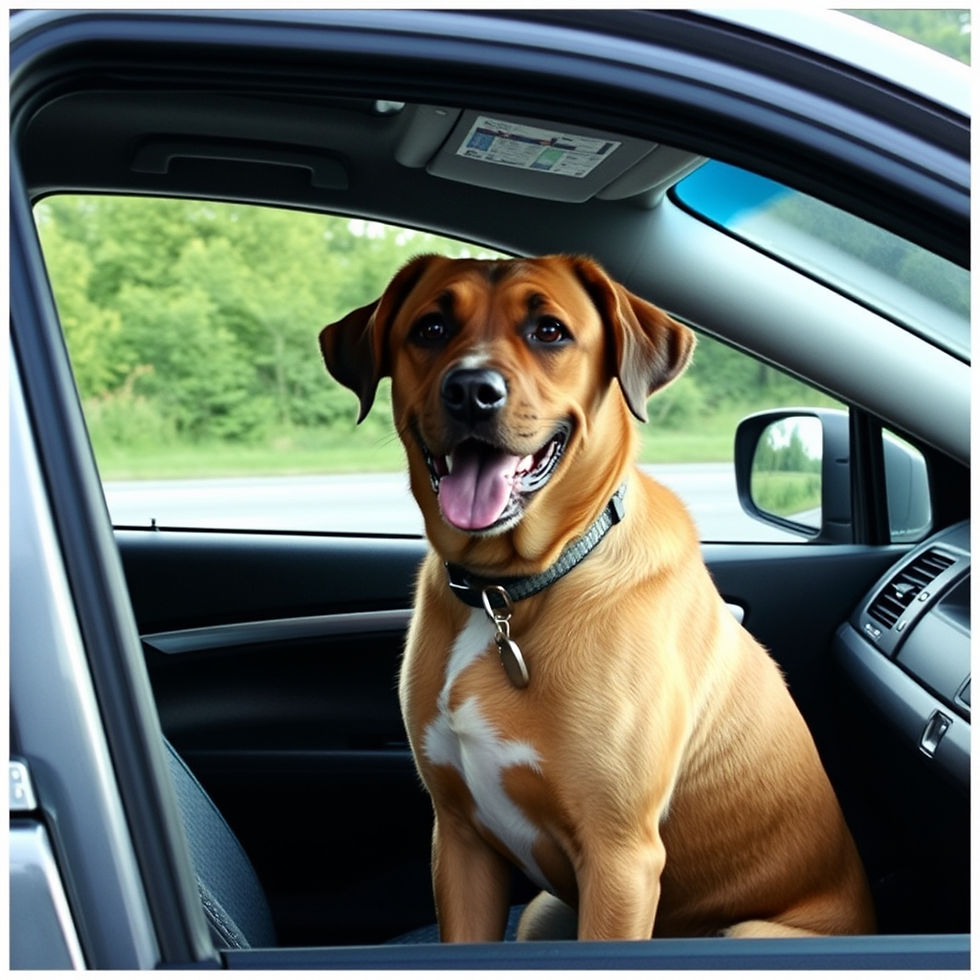
Riding in the car
Being left alone for short periods
Spending time in another room independently
These everyday experiences are just as important as social exposure.
How to Socialize a Puppy Safely: Follow Your Puppy’s Lead
Your puppy’s body language should guide every interaction.
If your puppy seems relaxed and curious, you can continue
If they seem hesitant, slow down and add something positive
If they show fear, increase distance and reduce intensity
Pushing a puppy too far, too fast can create the very fears you are trying to prevent. Never force interactions during puppy socialization.
Why Puppy Socialization Is So Important
Proper puppy socialization helps prevent future dog behavior problems like fear, reactivity, and anxiety.
When done well, it builds:
Confidence
Emotional resilience
The ability to handle new situations calmly
Final Thoughts
Puppy socialization is not about doing more—it is about doing things thoughtfully and at your puppy’s pace.
A well-socialized puppy grows into a dog who can move through the world with ease—not because they have experienced everything, but because they have learned how to feel safe while doing so.


Comments